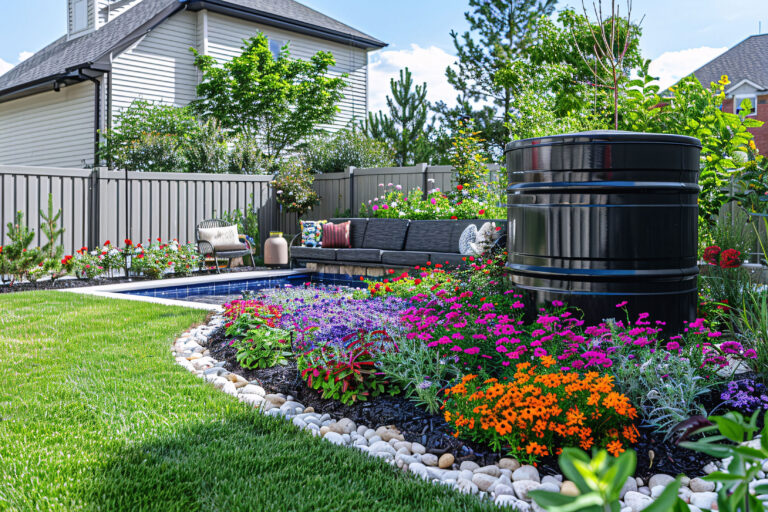
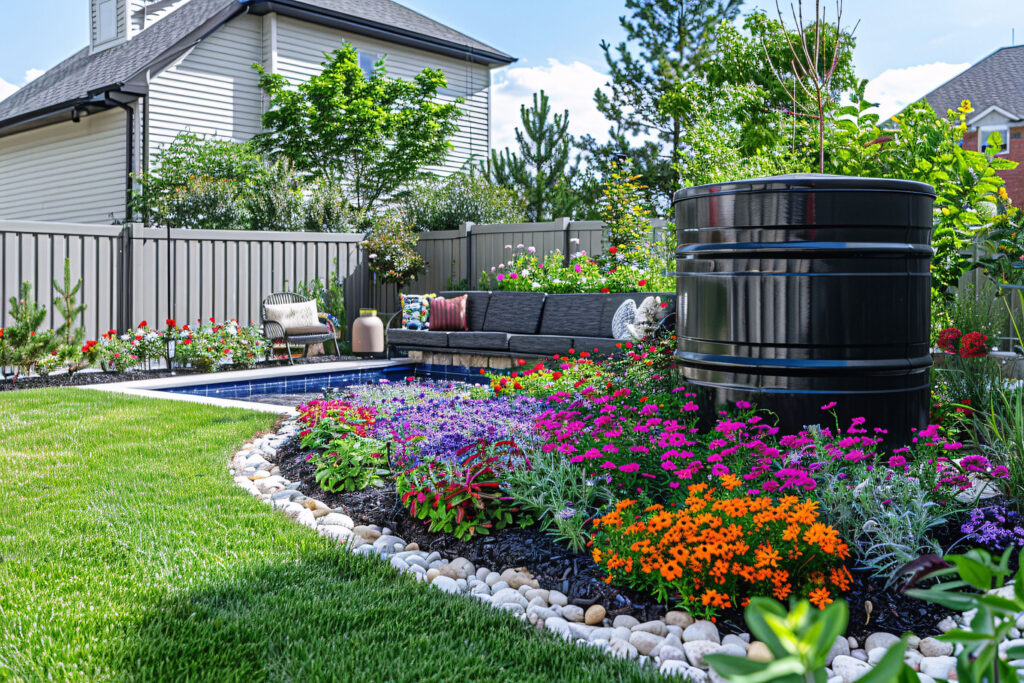
A backyard can feel overwhelming because it’s not one project—it’s five or six projects stacked together. The mistake most homeowners make is jumping straight into the “pretty part” (plants, turf, pavers) without a plan, and then paying for rework later.
This is especially common with new construction homes, where the backyard often starts as a blank slate. But remodels can be just as tricky: you’re working around existing grades, old irrigation, drainage quirks, or worn hardscape.
In 2026, the best backyard landscaping isn’t just “nice-looking”—it’s durable, functional, and low-maintenance, built in the right order. Below you’ll find a clear build-out framework, a practical checklist, and decision points that help you choose what to DIY and what to hand to a pro.
- What “Backyard Landscaping” Means in 2026
- The Fast Checklist (Today / This Weekend / Pro)
- Step 1 — Plan the Layout (Before You Touch Anything)
- Step 2 — Build the Bones: Hardscape + Grading
- Step 3 — Irrigation + Drainage (Avoid Future Headaches)
- Step 4 — Planting + Turf (Make It Look Alive)
- Step 5 — Landscape Lighting (Curb Appeal + Safety)
- FAQ
What “Backyard Landscaping” Means in 2026
Backyard landscaping in 2026 is less about “decorating” and more about engineering a livable outdoor space that holds up through seasons, stays efficient to maintain, and looks intentional from every angle.
The modern backyard build-out (the 6-part model)
A complete backyard build-out usually includes:
- Layout & design (how you’ll use the space)
- Grading & drainage (where water goes)
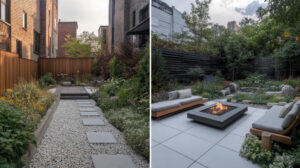
- Hardscape (paver patio, walkways, retaining wall if needed)
- Irrigation installation (and future repair access)
- Planting / turf (the softscape)
- Landscape lighting (function + ambiance)
Quick layer for “impatient” readers
If you only remember one thing: the order matters. Hardscape and irrigation should be planned before planting or turf—otherwise you’ll tear things up later.
The Fast Checklist (Today / This Weekend / Pro)
Use this three-level checklist to move from “blank yard” to “finished backyard” without overthinking.
Today (30–60 minutes)
- Take 6–10 photos: wide shots + problem areas (slopes, pooling, bare spots)
- Sketch 3 zones: seating, pathway, green area
- Decide your “must-have”: patio? grass for kids/pets? fire pit? lighting?
This weekend (2–4 hours)
- Measure rough dimensions (patio zone, pathways, planting edges)
- Identify water behavior after sprinklers/rain (where it collects or runs)
- Choose materials direction: pavers vs concrete, privacy screens, edging style
- Make a simple list of scope items (hardscape, irrigation, planting, lighting)
Pro (when you want it done right, faster)
- Site evaluation for grading/drainage
- Hardscape plan (base prep, edges, compaction)
- Irrigation design that matches planting + sun exposure
- Full landscape installation schedule
If you want a fast, clean plan instead of guessing, request an estimate for a full backyard build-out and get a scoped path forward. (Link to: [Backyard Build-Out / Services page URL])
Step 1 — Plan the Layout (Before You Touch Anything)
The biggest “backyard construction” mistake is building without a layout. Your layout should answer:
- Where do people walk?
- Where do you sit and gather?
- Where does water move?
- What needs privacy or screening?
The 3-zone layout that works in most yards
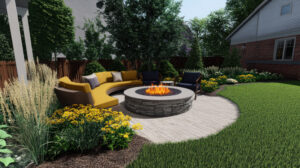
- Living zone: patio + seating
- Movement zone: walkway(s) that connect door → patio → yard
Green zone: turf/planting beds (low maintenance by design)
Step 2 — Build the Bones: Hardscape + Grading
Hardscape is the structure that makes a backyard feel finished—and it’s where quality matters most.
Deciding between materials? Compare paver patios vs. concrete for Spokane’s freeze-thaw cycles.
Paver patio essentials (what makes it last)
A premium paver patio isn’t about the pavers—it’s about:
- Proper base prep (depth + compaction)
- Clean edges that lock everything in
- Slopes that move water away from structures
- Joint sand and finishing that resists shifting
If your yard needs height changes or stability, a retaining wall becomes part of the “bones”
Planning a paver patio or retaining wall?
Take a look to our services, Book a site visit so the base prep, grading, and drainage are designed correctly the first time.
Step 3 — Irrigation + Drainage (Avoid Future Headaches)
Irrigation is often invisible—until it fails. A solid irrigation installation plan makes your planting healthier and your maintenance easier.
Ready to start your backyard build-out?
From bare dirt to finished yard, we handle hardscape, irrigation, planting, and lighting as one coordinated project.
Request an EstimateSmart irrigation design basics
- Coverage matches zones (sunny vs shaded areas)
- Heads are placed to avoid spraying hardscape
- Lines are routed to allow future sprinkler repair without tearing up everything
- Seasonal protection is planned early (think sprinkler winterization)
If you’ve ever dealt with low pressure, dry patches, leaks, or broken heads, you know why design and access matter.
Step 4 — Planting + Turf (Make It Look Alive)
This is where the backyard starts to feel like a backyard. But planting works best when the “bones” are already done.
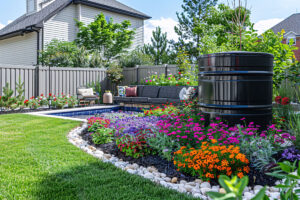
Low-maintenance planting decisions that still look premium
- Use fewer plant varieties (repeat groups for a cleaner look)
- Choose plants for sun exposure (not just appearance)
- Keep bed edges simple and consistent
- Plan mulch/rock coverage to reduce weeds
Turf vs alternatives
This is where the backyard starts to feel like a backyard. But planting works best when the “bones” are already done.
Low-maintenance planting decisions that still look premium
- Use fewer plant varieties (repeat groups for a cleaner look)
- Choose plants for sun exposure (not just appearance)
- Keep bed edges simple and consistent
Plan mulch/rock coverage to reduce weeds
Turf vs alternatives
Turf is great for kids/pets, but it’s not the only path to green. Some yards look more “high-end” with:
- Defined planting beds + hardscape + accent ground cover
- A smaller turf zone (easy to maintain) instead of “turf everywhere”
Step 5 — Landscape Lighting (Curb Appeal + Safety)
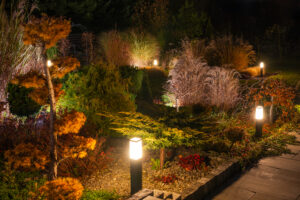
Landscape lighting is the fastest way to make a backyard feel finished at night.
Where lighting delivers the most value
See what drives landscape lighting costs and design choices.
- Pathways and steps (safety)
- Patio edges and seating areas (ambiance)
- Feature plants or textures (visual depth)
- Entry points and side yard passages (visibility)
Want your backyard to look great after dark? Ask about a lighting plan that improves safety and highlights your best features. (Link to: [Landscape Lighting Service URL])
Common Mistakes (and how to avoid them)
Here are the most common issues that derail a backyard transformation:
- Skipping the plan: leads to rework and wasted spend
- Doing planting before hardscape/irrigation: guarantees disruption later
- Underbuilding the base for pavers: causes shifting and sinking
- Ignoring drainage: creates puddles, settling, and long-term damage
No maintenance plan: “finished” turns into “overgrown” fast
FAQ
1) What’s the best order for backyard construction on a new build?
Start with layout and grading, then hardscape, then irrigation, then planting/turf, and finish with lighting and a maintenance plan.
2) How do I know if I need a retaining wall?
If your yard has slope changes that affect usable space, drainage, or stability, a retaining wall can create flat zones and protect the structure of your hardscape.
3) Are paver patios worth it compared to concrete?
Paver patios can deliver a premium look and modular repairability, but longevity depends heavily on base prep and edge restraint.
Plan it as part of your annual maintenance rhythm. If you’re installing irrigation, design it with seasonal protection in mind from day one.
4) When should I plan for sprinkler winterization?
Plan it as part of your annual maintenance rhythm. If you’re installing irrigation, design it with seasonal protection in mind from day one.
5) What are common signs I need sprinkler repair in Spokane?
Uneven coverage, dry patches, soggy spots, broken heads, or zones that don’t run consistently are common triggers for an inspection and repair.
6) Does landscape lighting increase safety?
Yes—good pathway and step lighting improves visibility, reduces trip hazards, and makes outdoor spaces feel more secure at night.
GET IN TOUCH
Schedule a Visit
Want ballpark numbers first? See real project ranges in our Spokane backyard landscaping cost guide.